The right drink before a flight can set the tone for the trip. In American Airlines lounges, the quality of what is poured depends not only on the airport and the lounge type, but also on how you gained access. Premium bar service is where the differences become obvious. The bartender in an Admirals Club might offer a paid upgrade to small‑batch bourbon, while a Flagship Lounge a few gates away could be pouring Champagne at no charge. If you know the rules and the tiers, you can order well, skip surprises on your tab, and make the most of your time on the ground.
The landscape: Admirals Club, Flagship Lounge, and Flagship First Dining
American Airlines runs two core lounge experiences in the United States. Admirals Clubs are the broad network clubs you see in most terminals. These offer complimentary snacks and beverages, including house beer, wine, and well spirits, along with a paid premium bar menu. Flagship Lounges sit at major gateways and serve long‑haul international and select transcontinental travelers. In those, the premium bar shifts from a paid upgrade to a largely complimentary selection. A third tier, Flagship First Dining, is a sit‑down restaurant within or adjacent to some Flagship Lounges, reserved for a very small group of First Class passengers on specific routes. There, top‑shelf drinks and chef‑driven plates are included.
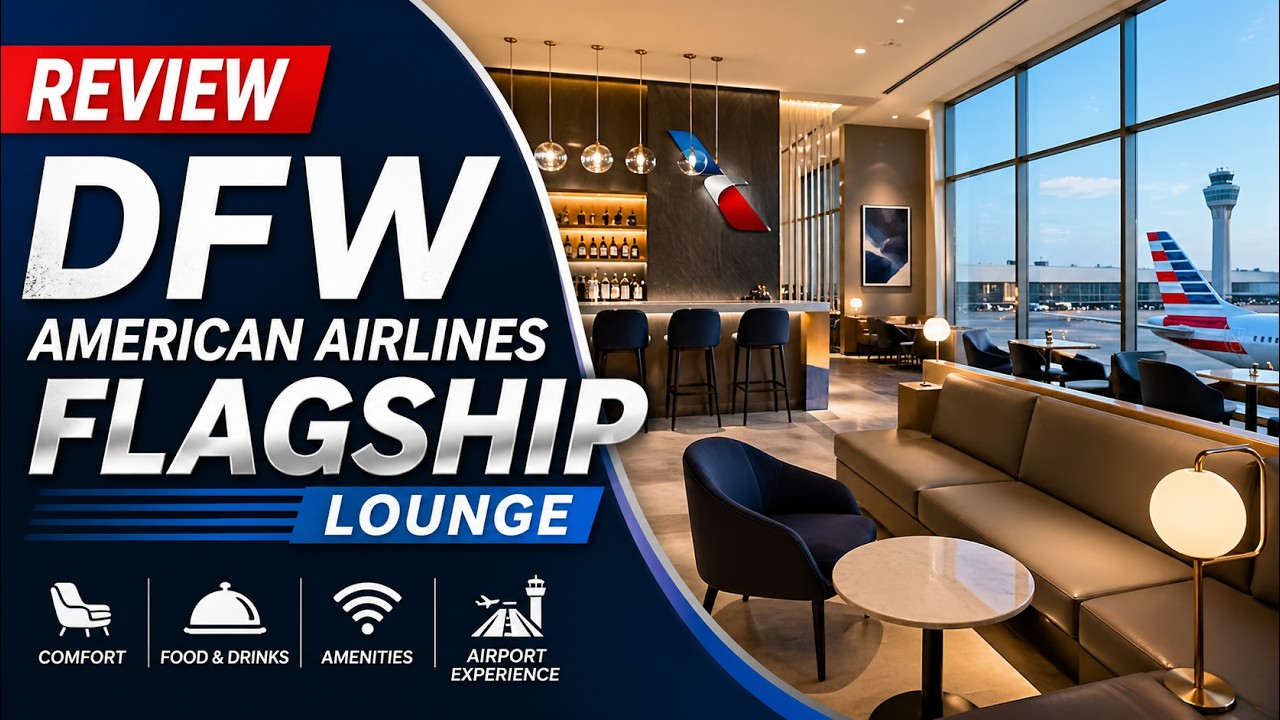
It helps to anchor this in real airports. At Dallas/Fort Worth International Airport, Admirals Clubs are spread across terminals, while the Flagship Lounge sits in Terminal D with shower suites, a quieter layout, and a bar that reads like a hotel lounge shortlist. Miami International has a large Flagship Lounge that becomes a meeting point for international flyers headed to Latin America and Europe. John F. Kennedy International now shares lounge real estate with British Airways in Terminal 8, which shapes who gets into which room, but the rule of thumb holds: Admirals for the network, Flagship for premium and international. Los Angeles, Chicago O’Hare, and sometimes smaller hubs like Philadelphia and Phoenix round out a varied picture. Not every hub has a Flagship Lounge, and not every Admirals Club has the same bar inventory or food spread.
The reason these tiers exist is practical. Admirals Clubs need to serve a broad membership that includes day‑pass holders, Citi AAdvantage Executive World Elite Mastercard members, and long‑time Admirals Club membership subscribers. Flagship spaces are sized to the flow of eligible premium cabin travelers on Flagship Business and First Class tickets, especially those on transcontinental flights and international itineraries. https://pastelink.net/n0bws2fm Flagship First Dining, when offered, is designed to keep true First Class exclusive. If you approach the bar with that logic in mind, you understand the drink list in front of you.
What “premium bar service” means in practice
In an Admirals Club, the premium bar is a menu of upgrades that sit above the complimentary lineup. Expect a few name‑brand gins, tequilas, ryes, and single malts, along with nicer wines by the glass and a short cocktail list. Prices vary by airport, but a solid benchmark is the cost of a downtown hotel bar. At Chicago O’Hare an Old Fashioned with a step‑up bourbon will usually cost more than a domestic beer at the gate, but might still be less than a Loop cocktail bar. In Flagship Lounges, much of what would be considered an upgrade in an Admirals Club becomes complimentary. Staff will often offer a signature cocktail of the day, and the sparkling wine moves up a notch. Some locations carry a reserve list, often a printed supplement behind the bar, where truly top‑shelf pours are still priced.
There is also a difference in service style. Admirals Club bartenders tend to be quick and efficient, with a line at peak times. They will happily talk you through the menu if you ask. In Flagship, pacing slows a little, glassware improves, and cocktails are usually better balanced. I have had a bartender at MIA quietly slide over a taste of two different rums before making a daiquiri, a small touch that typifies Flagship service. In Flagship First Dining, the drink arrives at the table with the course, the stemware matches the pour, and pairings make sense rather than feeling like a checklist.
Access rules that shape your drink options
Bar service is only as good as your ability to get in and sit down. American’s access rules are notorious for their ifs and buts, and they matter for the glass you end up holding.
- Admirals Club: access with an Admirals Club membership, a same‑day boarding pass on American or a partner, or by carrying the Citi AAdvantage Executive World Elite Mastercard. A same‑day day pass can be purchased, typically in the 70 to 90 dollar range, subject to capacity. Immediate family or up to two guests may accompany a member, space permitting. Flagship Lounge: access when flying in Flagship Business or First on eligible international flights, or on select transcontinental flights marketed as Flagship (for example JFK to LAX). Oneworld Emerald and oneworld Sapphire members not affiliated with AAdvantage can access when traveling on a same‑day American or oneworld flight, usually with one guest. AAdvantage Executive Platinum and other AAdvantage elites need an eligible international itinerary to enter Flagship on status alone. Flagship First Dining: typically limited to passengers traveling the same day in three‑cabin international First Class or in Flagship First on designated transcontinental routes. Guesting is very limited and often restricted to a companion in the same cabin and on the same flight, and policies can vary by location and date.
These rules change, and lounge staff apply capacity controls, particularly during evening bank times at hubs like DFW and MIA. The key is the phrase same‑day boarding pass, which appears across Admirals and Flagship rules, and the difference between domestic itineraries and eligible international flights. Oneworld Alliance reciprocity helps foreign program elites more than it helps AAdvantage elites on purely domestic routes. A British Airways Gold member with a domestic American boarding pass can often enter an Admirals Club or a Flagship Lounge under oneworld Emerald privileges, while an AAdvantage Executive Platinum on the same route typically cannot without a membership or a premium cabin ticket.
The tiers of what is poured
What you pay and what you can order depends on where you sit.

Admirals Club houses a complimentary rail of well spirits, domestic beers, and a rotating red and white wine, alongside sodas, juices, and coffee. You can order a gin and tonic or a rum and coke without opening your wallet. The premium list introduces brand‑name upgrades and classic cocktails, priced by the glass. Wine lists are short, often two or three whites and reds plus a sparkling option, with a step up in quality on the paid side. If you expect a small winery pinot noir by the glass in an Admirals Club at Phoenix Sky Harbor International Airport, you will be happier tempering expectations. On the other hand, a neat pour of a known rye and a bowl of warmed soup can be exactly what an 8 pm connection at CLT requires.
Flagship Lounges change the baseline. The sparkling wine will often be a recognized non‑vintage Champagne or a stronger New World sparkler, rather than a basic prosecco. The spirits list moves from well to mid‑shelf as the default, with better gins, aged rums, and single malts readily available without charge. Signature cocktails trend seasonal. A bartender at LAX once mixed a basil gimlet that felt fresh rather than fussy, served in glassware that did not scream banquet set. The point is not opulence, it is a level of care that matches the ticket that got you in.
Flagship First Dining, when accessible, vaults further. Here, you can expect a thoughtful wine list with credible by‑the‑glass selections and at least one serious Champagne, poured properly. Cocktails are measured and stirred, not shaken into oblivion. I remember a late afternoon at DFW when a server suggested a split of sparkling rosé to pair with a citrus‑crusted halibut. It read like something you would see in a hotel dining room that knows its audience, which is more or less the idea.
Prices and examples you can expect to see
Across the network, drink prices in Admirals Clubs for premium selections tend to fall into familiar ranges. The exact label at ORD may not match the one at PHL, but the structure will feel the same.

- Beer and wine upgrades: roughly 7 to 14 dollars for better domestic craft beers, imports, or a step‑up white or red. Sparkling wine upgrades often land in the 10 to 16 dollar range. Classic cocktails with upgraded spirits: generally 10 to 18 dollars, with martinis and Manhattans priced near the top. Straight pours of premium spirits: mid‑shelf bourbon, rye, or tequila in the 10 to 16 dollar range, with single malts and small‑batch labels running higher.
In Flagship Lounges, most of the above moves to the complimentary side of the ledger, with a shorter paid reserve list for very high‑end bottles. You can still ask what is included and what is extra. Staff will tell you plainly. If you are offered a taste before you choose, take it. At Miami, I have been poured a half ounce of two rums to choose between in a way that felt generous rather than performative.
Where the airport matters
American’s hubs drive variety. Dallas/Fort Worth International Airport has scale and volume, and the network of Admirals Clubs there reflects that, with consistent menus and well‑trained bartenders. The Flagship Lounge in Terminal D attracts a truly international crowd, and the premium bar mirrors that with more global spirits and a broader wine spread.
At Miami International Airport, the Latin American route map shapes the back bar. You will see more rums, both in the Admirals Clubs and in the Flagship Lounge, and bartenders who know how to handle them. A daiquiri at MIA Flagship is a better bet than most airport cocktails anywhere.
John F. Kennedy International has a more complicated story after the American and British Airways lounge consolidation in Terminal 8. For most passengers, the Admirals Club equivalent now falls under a combined branding approach, and access logic factors in oneworld priority. The top tier Chelsea Lounge is a joint ultra‑premium space that serves a very narrow slice of travelers. Regardless of branding, the general rule holds: the more premium the room, the more the bar feels complimentary rather than cash bar.
Chicago O’Hare International Airport often feels like the test case for consistency. I have found the Admirals Clubs at ORD to be reliable for a quick pour and a quiet corner. The Flagship Lounge here leans classic in its bar lineup, with a comfortable spread of whiskey and wine that suits a business‑heavy crowd. Los Angeles International Airport, by contrast, sometimes shows a bit more California influence, with a brighter cocktail or a local beer cameo.
Philadelphia and Phoenix mostly play the Admirals Club role in this story, with efficient service and straightforward menus. Charlotte Douglas International Airport can run hot and cold depending on time of day. I have had stretched lines at the bar in CLT at 6 pm during summer storms, which is not a critique of the staff as much as a reminder that crowds change the experience.
Alliances and partner lounges when you are not in an American room
Sometimes your itinerary leads you to a partner space. Oneworld Alliance reciprocity is powerful if you know how to use it. Flying American out of London Heathrow Airport, eligible premium cabin and status passengers may use the British Airways Galleries Lounge or, depending on status and cabin, BA’s First lounges. The premium bar there reflects British Airways’ standards. You will find a broader gin selection, draught beer, and a different wine philosophy. At airports like Sydney or Melbourne, a Qantas Club or a Qantas International Business Lounge becomes your de facto pre‑flight home. Expect Australian wines and a taste for long black coffee in the morning. In Hong Kong, the Cathay Pacific Lounge is often the gold standard, with a bar program that makes time disappear in the best way.
If you hold oneworld Emerald or oneworld Sapphire from a non‑American program, you can often thread a needle on domestic U.S. Itineraries and enter Admirals Clubs based on alliance privileges alone. That can be a useful way to enjoy complimentary snacks and beverages or to take advantage of shower suites where available. It does not always move you into a Flagship Lounge unless the itinerary is eligible. Priority Pass, by contrast, is a dead end for American’s own lounges on most U.S. Routes. Priority Pass can help you find a third‑party lounge or a restaurant credit in some terminals, but it is not a ticket to an Admirals Club or a Flagship Lounge.
Status and credit cards: how they affect your glass
Loyalty program status determines where you can sit, and by extension, what you can drink without paying. AAdvantage Executive Platinum, Platinum Pro, and Platinum members on eligible international itineraries can use Flagship Lounges. On domestic itineraries, they need either an Admirals Club membership, a day pass, or a qualifying premium cabin boarding pass to enter any American Airlines Lounge. ConciergeKey members sometimes see additional discretion applied at the door, but the core rules still exist on paper, and crowding can narrow exceptions.
The Citi AAdvantage Executive World Elite Mastercard is the most direct line into Admirals Clubs. The card confers Admirals Club membership to the primary cardholder when traveling with a same‑day boarding pass on American or a partner. That means the complimentary bar in Admirals and access to the premium paid menu, along with guest access policy benefits that generally allow two guests or immediate family. Authorized users can have their own access when added correctly, which has real value for families or teams who split up. The card does not open Flagship Lounges by itself, but it pairs nicely with status and premium tickets.
A day pass is the flexible, no‑commitment option. Buying a pass for a connection at ORD during winter or for a long layover at PHX can pay for itself in work time and sanity, even before you reach for a drink. Just remember that a day pass does not automatically unlock Flagship, and capacity controls are common.
What to order, and when to step up
There is no wrong order if you enjoy it, but a few patterns help.
In Admirals Clubs, lean into simple highballs with upgraded spirits. A tequila soda with a named blanco tastes crisp at altitude and at the bar, and it is easy to price. If you are in a red wine mood, ask what is open on the premium side and request a taste. Wines by the glass in airports turn over quickly at peak times, which is good. Avoid overcomplicated cocktails unless you see the bartender free and willing. A muddled drink during a rush at PHL is asking for disappointment. When in doubt, beer is stable. Many clubs carry a recognizable craft option.
In Flagship Lounges, use the menu. If there is a signature cocktail, it was added for a reason. I have had a rosemary lemon drop at LAX that worked better than I wanted it to. If you like whiskey, ask which single malts are included. The answer will often be better than you expect. Champagne is usually available, and staff will tell you if it is complimentary or part of a reserve list. If you see a cocktail list with house infusions, ask how busy the bar is. A quiet mid‑afternoon at DFW is the moment to try it. A 7 pm push before a bank of departures is not.
In Flagship First Dining, order to the room. If there is a pairing suggestion, it will be tuned to the menu. A smaller pour of a white Burgundy that might be hard to find by the glass lands perfectly with a seafood course. Dessert wines make more sense here than they do in the lounge proper, where they can feel out of place.
Food, showers, and the non‑drink side of the experience
A premium bar works better when you have eaten. Admirals Clubs consistently offer complimentary snacks and light bites, and many have a paid a la carte menu. Expect soups, salads, and small plates. The upgraded drink will sit more comfortably with a protein. Flagship Lounges are closer to self‑serve restaurants at busy times, with hot and cold dishes that go beyond grazing. At MIA and JFK I have seen composed salads, a carved item, and a dessert spread that rivals mid‑range hotels. Shower suites change how you feel before a long flight. Flagship Lounges have them as a rule. Select Admirals Clubs at major gateways, such as DFW Terminal D and MIA, also offer showers, though availability is tighter. Use them if you can. A shower followed by a neat pour in a quiet corner is the difference between arriving ready and arriving spent.
Wi‑Fi and workspaces are the scaffolding for all of this. Admirals Clubs and Flagship Lounges provide complimentary Wi‑Fi and plenty of charging. If you are pairing a drink with work, pick a seat with sightlines to the bar and your gate, and keep your boarding time in mind. Priority boarding privileges from status or cabin can evaporate if you lose track in a quiet room.
Guest access, etiquette, and small wins
Guest access rules sound dry until you need them. Admirals Club membership and the Citi AAdvantage Executive World Elite Mastercard generally allow you to bring immediate family or two guests. Flagship guesting can be tighter. Oneworld Emerald and oneworld Sapphire elites can typically bring one guest into qualifying lounges when traveling on a same‑day oneworld flight. In practice, agents will ask your companion to show a same‑day boarding pass as well. Flagship First Dining is usually no‑guest unless your companion is in the same premium cabin on the same flight. Asking politely is always fine, but do not count on an exception.
Seat selection matters more than people think. Bars in Admirals Clubs and Flagship Lounges are social hubs. If you want a quick drink and conversation, take a stool and enjoy the flow. If you plan to enjoy a quiet glass of wine, find a small table away from the pass. Many clubs now offer wellness or stretch spaces, and at a few locations American has partnered with outside brands to signal that focus. I have seen Chelsea Piers Fitness referenced in club materials for light stretch and mobility content, which is a small but welcome nod to travelers who want to offset time in the seat.
A word on tipping. Many travelers tip at the bar in Admirals Clubs and Flagship Lounges. It is not required, but a dollar or two for a pour or more for a complex cocktail is common. At staffed dining in Flagship First Dining, treat it as you would a restaurant. Staff will not push, and you should not feel obligated, but good service deserves recognition.
When to skip the lounge bar entirely
There are moments when the best drink in the terminal is not in an American Airlines Lounge. If you are connecting tightly at PHX and your gate sits opposite a local brewpub pouring a limited release, grabbing a quick half pint there might be smarter than backtracking to an Admirals Club and rushing. At London Heathrow, if you qualify for the Cathay Pacific Lounge or a higher tier British Airways lounge and your taste skews that way, it can be worth the walk. And if you are on a quick domestic hop out of Charlotte with a morning departure, coffee and water might set you up better than anything with a proof statement.
Using your knowledge at specific hubs
Let’s make it tangible.
At DFW with a three‑hour layover before an overnight to London, check Flagship eligibility first. If your boarding pass reads Flagship Business, head to Terminal D and plan a shower followed by a complimentary cocktail. If you prefer a particular bourbon not on the complimentary list, ask whether it lives on a reserve menu and what the surcharge is. You might find the included rye suits you fine. If you arrive too early for Flagship First Dining access or if it is not offered on your route, the Flagship buffet does enough work to pair well with a drink.
At MIA before a mid‑morning departure to South America, you can expect the Flagship Lounge to be lively. Order a coffee first, hydrate, and save a drink for closer to boarding. If you want to enjoy a rum, ask for a small pour and a lime wedge, and keep it simple. Let the bartender recommend a label. This is their wheelhouse.
At ORD in winter, if your connection is under 90 minutes, use an Admirals Club near your departure gate. Order a premium beer or a straightforward cocktail with an upgraded spirit. Keep your tab short and your seat close to a flight information screen. The goal is calm, not a full experience.
At JFK on a transcontinental in Flagship Business, use the premium space you are entitled to. The bar will be stronger than the one in Admirals. If you are invited to a higher tier space because of cabin or status, take it, but be mindful of longer walks back to certain gates in Terminal 8.
How this compares to a United Club, and why it matters
Comparisons are useful. A United Club has a familiar model: complimentary house drinks and paid upgrades. Their Polaris Lounges, akin to Flagship, move premium drinks onto the complimentary list, with a few reserve items for purchase. The reason to understand American’s version is not to crown a winner but to play the rules. If you are an AAdvantage loyalist with an Admirals Club membership, you know where you stand. If you are a oneworld Emerald via another program, you can unlock better rooms on domestic itineraries than your AAdvantage counterpart. With that advantage comes a better glass more often, and sometimes a shower and a quiet plate.
Final thoughts from the barstool
Premium bar service in American Airlines lounges is not one thing, it is a gradient. Admirals Clubs offer a steady baseline with the option to buy up. Flagship Lounges include far more and do it with a calmer hand. Flagship First Dining, when you can get in, is the rarefied top. Your status, your ticket, and your airport decide which bar you approach and what lands in your glass. The best experiences come from matching the order to the room and the moment. Ask questions, read the room, and enjoy the small grace of a well made drink before the door closes and the seatbelt sign dings.