American Airlines runs two distinct lounge experiences in the United States: Admirals Club and Flagship Lounge. Both make airport time less chaotic, but they serve different purposes. Admirals Club focuses on comfort, calm, and convenience, with complimentary snacks and beverages, premium bar service for a fee or vouchers, reliable Wi‑Fi, and workspaces. Flagship Lounge is the step up, built for long‑haul and select transcontinental travelers, with more substantial dining, a quality bar, and shower suites. At the very top sits Flagship First Dining, a restaurant‑style space only a handful of travelers can access.
You do not need elite status to enjoy these spaces. That surprises people who assume AAdvantage Executive Platinum or ConciergeKey is the only key that opens the door. If you are willing to plan a bit, pay strategically, or book the right ticket, you can enter most American Airlines Lounge locations across the network, including busy hubs like Dallas/Fort Worth International Airport, Charlotte Douglas International Airport, Chicago O'Hare International Airport, Miami International Airport, John F. Kennedy International Airport, Los Angeles International Airport, Philadelphia International Airport, and Phoenix Sky Harbor International Airport.
The quick answer: all the practical ways in
If your goal is simple lounge access on American without AAdvantage status, these are the reliable pathways.
Get the Citi AAdvantage Executive World Elite Mastercard. The annual fee buys an Admirals Club membership with guesting privileges, no flying status required. Buy an Admirals Club membership outright. Pay annually and bring qualifying guests under the program’s rules. Use a same‑day eligible premium cabin ticket. Business Class and First Class on qualifying international or Flagship transcontinental flights can unlock Admirals Club or Flagship Lounge access. Leverage oneworld Alliance status from a partner program. Oneworld Sapphire or oneworld Emerald from a non‑AA program often grants access while flying American, even on domestic itineraries. Purchase a day pass when available. It is the a la carte option for Admirals Club, useful in a pinch.Each route has its own economics and gotchas. The right move depends on how often you fly, where you connect, and whether your trips are domestic, international, or those special transcontinental flights.
Understanding the spaces you are aiming for
American uses three labels that matter for access rules.
Admirals Club is the baseline American Airlines Lounge. Think quiet seating, coffee, tea, complimentary snacks and beverages, conference rooms at select locations, family rooms in a few hubs, and bar service that ranges from basic well drinks to premium spirits. Shower suites appear in some larger clubs, especially at DFW, MIA, LAX, and JFK.
Flagship Lounge is the premium lounge tier, meant for international itineraries and specific high‑value routes. You will find expanded hot and cold food that can pass for a meal, self‑serve bars in some locations, tended bars in others, and a higher chance of shower suites. When I connect at MIA after an overnight from South America, the Flagship Lounge showers make the difference between a productive day and a slow slog.
Flagship First Dining is a gated dining room inside or adjacent to some Flagship Lounges, with plated meals and cocktails. Entry is exceptionally limited to travelers in true international First Class or select three‑cabin transcontinental First Class, not Business Class, and not by membership or card. You cannot buy your way in. If you are not booked in those rare cabins, set expectations accordingly.
The credit card that acts like a membership
For frequent American flyers without status, the Citi AAdvantage Executive World Elite Mastercard is the simplest catch‑all answer. The card includes an Admirals Club membership for the primary cardholder. In practical terms, that means:
- Access to Admirals Club when you present a same‑day boarding pass on American or a partner airline that participates under the rules. A same‑day boarding pass is essential, even if you are not flying American that moment at a multi‑carrier airport. Guest access policy that typically allows either immediate family or two guests, space permitting. If you are traveling with kids or a colleague, this is what makes the math work. Authorized user options that can extend access to others for an added fee, useful for households that travel separately.
If you routinely pass through Admirals Club locations at hubs like DFW, CLT, and PHX, the card turns chaotic gate areas into predictable work time with complimentary Wi‑Fi and workspaces. For road warriors who measure value in hours saved, it pays for itself fast. Think about the card like United Club for United loyalists. The product is similar in concept, but the network and rules are American’s.
A few limitations matter. The card does not open Flagship Lounge by itself. For Flagship, you still need the right ticket, the right oneworld status, or both. The card also does not grant access to partner lounges like the British Airways Galleries Lounge at London Heathrow Airport, the Qantas Club in Australia, or the Cathay Pacific Lounge in Hong Kong unless your itinerary or status would already make you eligible under oneworld rules.
Buying an Admirals Club membership the old‑fashioned way
If you fly enough to visit lounges several times per year but do not want another credit card, a paid Admirals Club membership still exists. The cost varies by year and sometimes by your loyalty program status. For someone without any AAdvantage status, recent pricing has landed in the high hundreds of dollars for an individual annual membership. Household memberships run higher. Programs change, so check the current rate, but expect a number that makes sense only if you will visit regularly.
The same guest access policy applies to a paid membership as to the membership delivered by the Citi Executive card. If you often bring a partner or two children, that embedded value can beat the per‑person cost of day passes within a couple of trips.
Where does a paid membership help most? Airports where Admirals Club coverage is strong. Dallas/Fort Worth has multiple clubs spread across terminals, which lets you pick the one closest to your gate. Chicago O'Hare puts an Admirals Club a short walk from the busiest American concourses. Phoenix and Charlotte have reliable clubs that save you from crowded gate pens at peak bank times. In those environments, having a membership turns into a habit rather than a special treat.
Day passes: the flexible, sometimes expensive fallback
American sells Admirals Club day passes when capacity allows. The price tends to sit around the cost of a nice dinner per person, and it has crept upward over time. Day passes usually do not include guest access. You pay per person, and you can only enter Admirals Clubs, not Flagship Lounges. For a solo traveler staring at a four‑hour delay at PHL, a day pass can be sanity insurance. For a family of four on a two‑hour layover, the math gets ugly fast.
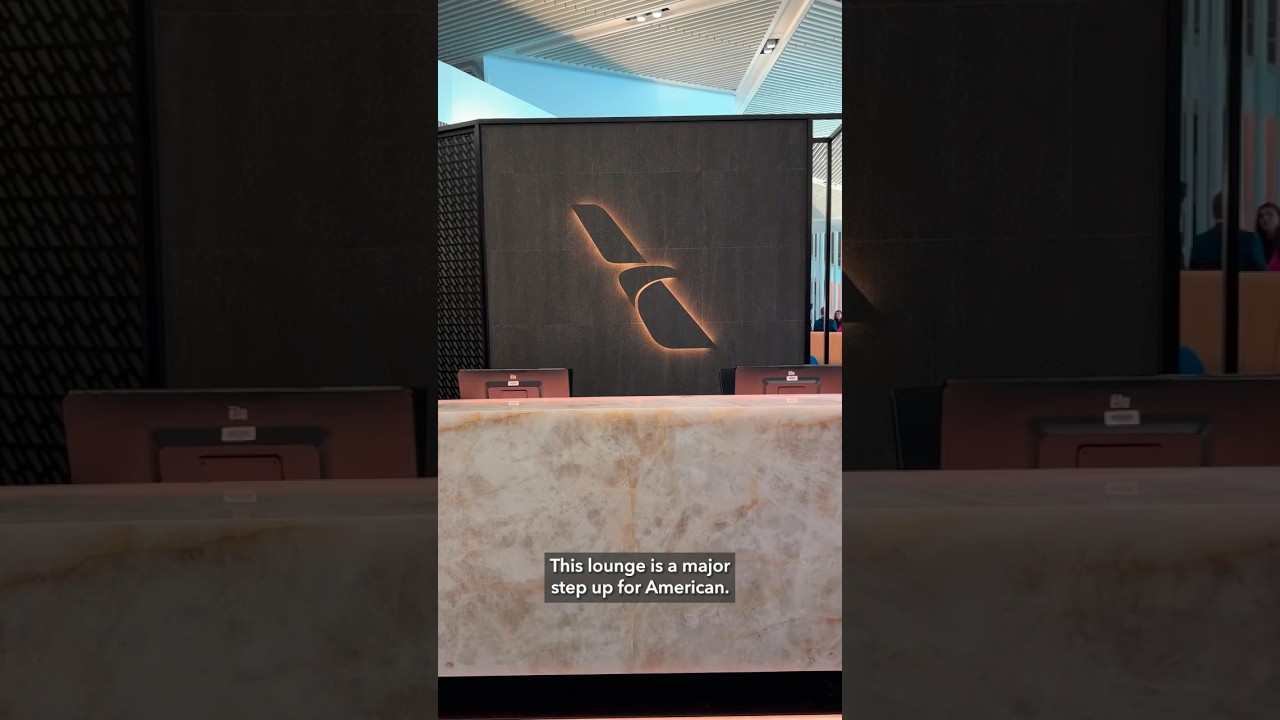
From experience, day passes shine when irregular operations wreck your schedule. On a long weather hold at JFK, paying once to get a quiet seat, work power, and steady coffee can save a client call or a deadline. They are less useful if you are just curious about the lounge for a quick 40‑minute connection.
Premium cabin tickets that open doors
Booking the right ticket is the most elegant path because it fits the way oneworld and American design their lounge ecosystems. The broad rules:
- International Business Class or First Class on American or a oneworld partner usually grants Flagship Lounge access at qualifying airports. The key is an international itinerary, not just any cross‑border hop, although routes to Canada, Mexico, or the Caribbean can be edge cases that vary by fare and distance. When in doubt, check the exact route policy online. Select transcontinental flights marketed as Flagship Business or Flagship First can also unlock Flagship Lounge access even though they are domestic. Think JFK to LAX or JFK to SFO on aircraft with lie‑flat seats and a named Flagship service. On those routes, your premium cabin ticket is your lounge key. Domestic First Class by itself does not grant Admirals Club access on American. This catches many travelers by surprise. If you buy a First Class ticket from CLT to MIA and have no membership or partner status, you typically will not get into Admirals Club on that basis alone.
These rules matter most at cities like LAX, MIA, and JFK, where Flagship Lounges sit near routes with heavy international traffic and those transcontinental departures. I have had mornings at MIA where a Flagship Business ticket to South America transformed a long layover into a decent breakfast, a quick shower, and an inbox zero sprint, all before boarding.
Using oneworld partner status without holding AAdvantage status
The oneworld Alliance glues American together with partners like British Airways, Qantas, and Cathay Pacific. If you hold oneworld Sapphire or oneworld Emerald through a non‑American program, you can often access Admirals Club while flying American, even on a purely domestic itinerary. That is the inside baseball trick frequent flyers use when they bank miles with, say, British Airways Executive Club or Qantas Frequent Flyer instead of AAdvantage.
The fine print matters. The standard model is one guest allowed, and both you and your guest must have a same‑day boarding pass on a oneworld flight. Oneworld Sapphire generally maps to Business Class lounge access, which in American’s world is Admirals Club. Oneworld Emerald often raises the ceiling to First Class lounge access on partners, but American does not operate a branded domestic First Class lounge outside of Flagship, so the practical effect within the United States is usually still Admirals Club unless your ticket is otherwise Flagship‑eligible.
Examples help. A traveler with Qantas Platinum, a oneworld Emerald tier, can duck into Admirals Club at PHX before a domestic American flight. A British Airways Silver member, which is oneworld Sapphire, can do the same at ORD. Neither person needs AAdvantage status. Both must be traveling on a same‑day oneworld flight. Neither will get into Flagship Lounge unless their itinerary qualifies on its own.
What about partner lounges on international trips
Once you leave the United States, your ticket and oneworld standing are often more powerful than any American‑issued membership. Departing London Heathrow Airport on an American long‑haul Business Class ticket, you will likely find yourself directed to the British Airways Galleries Lounge or to a newer co‑branded space depending on the terminal. In Sydney, a Qantas Club or Qantas Business Lounge functions as your lounge. In Hong Kong, the Cathay Pacific Lounge network, especially The Wing or The Pier, sets a different standard entirely. Admirals Club memberships tend not to grant access to those partner lounges, but your premium cabin ticket or oneworld tier usually does the heavy lifting.
This is where the investment in a Business Class fare pays off twice. The seat is better in the air, and the ground experience goes from reactive to curated. Showers after a red‑eye into LHR, a quiet corner in HKG to reset your circadian clock, or a plate of decent pasta in SYD before an overnight to the Soulful travel guy States are not small luxuries. They change how you arrive.
Priority Pass and why it rarely solves American’s lounges
Priority Pass is useful in many airports, but it does not unlock Admirals Club or Flagship Lounge. If you hold a travel credit card with Priority Pass and you are set on a lounge at, say, PHL, you will be steered to independent lounges or restaurants that happen to participate, not to American’s spaces. At airports with thin lounge coverage, this can still be better than waiting at the gate. At hubs like DFW where Admirals Clubs are plentiful, Priority Pass will feel like a workaround rather than a match.
The economics, simplified
When I sit with clients who travel a few times per month for work, the decision tree tends to collapse into cost per visit and friction saved. Here is a rough mental model that keeps you honest about value.
- Day pass: typically priced high enough that three or four visits equal an annual membership’s monthly amortization. Best for truly occasional use or for specific marathon delays. Admirals Club membership: makes sense when you fly American or oneworld several times per quarter through airports with Admirals Club coverage. The guest access policy can double or triple the value for families. Citi AAdvantage Executive World Elite Mastercard: strongest choice if you accept the annual fee and will use the lounge more than a handful of times. The card unlocks club access at every point in your itinerary without fiddling with day‑to‑day purchases or credits. Premium cabin tickets: if work pays for Business Class on international or Flagship transcontinental routes, do not buy overlapping memberships. Your ticket will do more than enough, and it expands to partner lounges on the other end. oneworld Sapphire or oneworld Emerald in a partner program: a stealth solution for frequent multi‑carrier flyers who can consolidate miles with a partner. It fills the domestic Admirals Club gap without touching AAdvantage.
One more consideration hides in the background. If you measure travel by missed calls, delayed emails, and tense gate experiences, the premium bar service and snacks are not the main win. Predictable Wi‑Fi, power outlets that work, and the ability to take a quiet call are. That is what you are really buying.
Where the rules shift, and how to handle edge cases
American’s lounge rules change a little around the edges every year. The big levers stay put, but cabin definitions, route lists for Flagship Business, and day pass availability can move. Five practical edge cases to keep in mind:
- Same‑day boarding pass is almost always required, membership or not. Having the card or the membership does not matter if you are not actually flying that day. International itinerary definitions can exclude short‑haul routes. A Business Class seat to Canada may or may not trigger Flagship Lounge access, depending on airport and distance rules. Select premium transcontinental flights open Flagship doors, not every coast‑to‑coast hop. Look for marketed Flagship Business or Flagship First, often with lie‑flat seats and curated meal service. Guesting varies by access method. Memberships allow two guests or immediate family. Oneworld status guests are usually capped at one. Day passes are generally per person with no guests. Some Admirals Clubs have shower suites, but not all. If a shower matters, pick the larger clubs at major hubs or aim for a Flagship Lounge.
At JFK, the lounge footprint has evolved as American deepened its partnership with British Airways. If you are flying internationally in Business or First from Terminal 8, your lounge assignment could be an American Flagship space, a British Airways Galleries Lounge, or a co‑branded premium area. Staff at the check‑in desk will direct you based on your cabin and route. The same principle applies at LHR, where American premium cabin travelers often use British Airways lounges.
Amenities that change the way you travel
When you evaluate whether access is worth paying for, do not just tally drinks and snacks. Look at the amenities that save you time, stress, or actual money.
Shower suites turn a redeye into a normal morning. If you land at MIA at 6 a.m. From South America and connect to a mid‑morning flight, a shower and a clean shirt can rescue the day. Workspaces with plenty of outlets let you keep a laptop and a phone charged without playing musical chairs around the terminal. Complimentary snacks and beverages cover breakfast or a simple dinner on tight connections. Premium bar service can replace an overpriced glass of wine in the terminal with a better pour in a quieter setting. Family rooms give kids a place to unwind without the constant announcements blasting overhead.
This is the picture at the strongest clubs. Not every location is equal. A small Admirals Club at a secondary terminal may offer little more than quiet seating, soups, and a bar. A flagship location at DFW can feel like a small coworking space with food and showers. If you are building your own routine, map your home airport and your most common connections.
A note on wellness and partnerships
American has experimented with amenities beyond food and Wi‑Fi. At large hubs, you will occasionally see pop‑up wellness activations or small partnerships that bring in stretching areas or short movement sessions near the club footprint. In New York, the broader travel ecosystem has included collaborations with fitness brands such as Chelsea Piers Fitness. These touchpoints come and go, and they are not a guaranteed part of lounge access, but they hint at a trend toward helping travelers arrive sharper rather than just fed.
Comparing American’s approach with competitors
If you come from the United Club ecosystem, you will notice familiar patterns. Both United and American gate domestic lounge access behind membership, eligible premium cabin international tickets, or alliance status from partner programs. Neither carrier lets a standard domestic First Class ticket open the door by itself. Where American stands out is the segmentation of Flagship Lounge and the ultra‑scarce Flagship First Dining. United’s Polaris Lounges cover a similar ground internationally, but American’s domestic network of Admirals Clubs is particularly dense at DFW, CLT, and PHX, while United’s is densest at hubs like DEN, IAH, and EWR.
The practical takeaway is simple. If you switch loyalties or fly both carriers, your lounge strategy should mirror your route map, not your emotions about a brand. If your year is heavy on Miami and Phoenix with a few JFK runs, American’s lounge network lines up well. If your calendar tilts toward Denver and Newark, you may be better off investing in the competitor’s access products.
Picking the right path for your travel pattern
Before you commit cash, write down three trips you will actually take in the next three months. Include the airports, the cabins, and how early you typically arrive. Then use this short checklist to test which path makes sense.
- If you will fly American or oneworld through an Admirals Club airport at least twice a month, a Citi AAdvantage Executive World Elite Mastercard or a paid Admirals Club membership is almost certainly cheaper and smoother than buying day passes. If your company pays for Business Class on international trips or for Flagship Business on JFK to LAX or SFO, skip memberships altogether. Your tickets will carry lounge access, including partner lounges abroad. If you frequently book domestic First but rarely fly internationally, membership or the Citi card is the only consistent way to see an Admirals Club. If you hold oneworld Sapphire or oneworld Emerald through a partner like British Airways or Qantas, lean on that status for Admirals Club access while flying American domestically. If you travel only a few times a year and value quiet during long delays, keep day passes in your back pocket and buy as needed.
Over time, many travelers end up combining two methods. A card‑based membership covers the weekly grind through CLT or PHX, while premium cabin tickets open Flagship Lounge on those big JFK or MIA trips. That layered approach prevents paying twice for the same benefit.
Practical examples at major airports
At Dallas/Fort Worth International Airport, Admirals Clubs are sprinkled through multiple terminals. If you carry a membership, you can pick the club closest to your departure gate, spend 45 minutes finishing emails on the complimentary Wi‑Fi, and head to boarding when the app pings priority boarding privileges. If you hold a Flagship‑eligible ticket, the Flagship Lounge in Terminal D adds a hot meal and a shower between long‑haul legs.
Charlotte Douglas International Airport is a workhorse hub where the Admirals Club is a refuge from crowded concourses during banked departures. Without status, the Citi Executive card or a paid membership is the only consistent key for domestic trips. A day pass is a safe fallback during irregular operations.
Chicago O'Hare International Airport blends both models. If you are crossing the Atlantic in Business Class from ORD, you can access a Flagship Lounge when open, and on return you might find yourself directed to a partner lounge on the European end. For domestic hops through ORD, a membership matters more than the fare.
Miami International Airport has one of the better Flagship Lounges in the network, with real meals, showers, and space to decompress after overnight arrivals. If you are not on an eligible international itinerary, you will land in the Admirals Club instead, which is still a marked improvement over gate areas, especially near the intense Latin America banks.
At John F. Kennedy International Airport, lounge routing changes as American and British Airways adjust Terminal 8. The constant is that premium cabin tickets do the most for you here. If you are only flying domestic and carry no partner status, an Admirals Club membership is the way to keep your sanity during peak evening hours.
Los Angeles International Airport remains a flagship for transcontinental service. If your ticket says Flagship Business from LAX to JFK, your lounge path is clear even without status. If you are pointed to Phoenix or Dallas in domestic First, you will need a membership or card to enter the Admirals Club.
Philadelphia International Airport and Phoenix Sky Harbor International Airport are classic membership plays. Clubs are well placed, and the value of quiet seats, coffee, and reliable Wi‑Fi shows up on every trip. London Heathrow Airport closes the loop on the international side, where your Business Class ticket hands you over to British Airways lounges with a different ambiance and broader food offerings.
Final thoughts from years of trial and error
I have tried all of these paths, from buying a day pass during a thunderstorm mess at DFW to living with a card‑based membership for entire consulting seasons. The lesson that sticks is not about perks. It is about control. If you fly enough to care about airport lounge access, you likely care because travel eats time and energy. The right blend of membership, premium cabin tickets, and alliance savvy gives you some of that control back.
Start with your routes and cabins, not with marketing copy. Keep the rules around same‑day boarding passes, guest limits, and eligible international flights in your back pocket. Use Flagship Lounge when your ticket unlocks it, and accept that Flagship First Dining is a unicorn reserved for true First Class. Ignore Priority Pass for American’s own clubs, but keep it as a side tool elsewhere. Watch for incremental improvements at hub lounges, from better food rotations to the occasional wellness partnership.
Do that, and you can get into American Airlines Lounges without status, not as a splurge, but as a smarter way to travel.