Philadelphia, for American Airlines travelers, is a workhorse hub. You get a busy domestic bank in the morning, a lull over lunch, then an evening wave feeding Europe. That daily rhythm shapes the Admirals Club experience more than any press release or amenity list. If you plan to squeeze real work into a layover, the details that matter are simple: a seat that respects your shoulders and elbows, a reliable outlet, and Wi‑Fi that does not buckle when a delayed Dallas flight unloads a hundred https://elliotgnkm574.theburnward.com/onw-eworld-emerald-at-lhr-accessing-aa-ba-and-partner-lounges-1 laptop users.
I have used the Philadelphia International Airport Admirals Clubs across multiple trips in different seasons, with early departures, mid‑day connections, and the evening transatlantic push. What follows is a nuts‑and‑bolts look at how the clubs perform on seating, power, and connectivity, with the access rules and trade‑offs that determine whether it is worth walking from B to A‑West, or skipping the lounge entirely and finding a quiet gate.
Where the Admirals Clubs sit at PHL, and why that matters
Most American flyers at PHL funnel through the B/C connector. That area holds the busiest Admirals Club, which serves a constant stream of short‑haul departures and inbound connections. Expect this club to feel the pressure during the first wave of the morning, roughly from 5:30 to 8:30, then again in the late afternoon through early evening as delays stack up. The design tries to compartmentalize noise, but volume rises with rolling suitcases and boarding announcements bleeding in when doors open.
There is also an Admirals Club serving the A‑West international gates. It draws a different crowd in the evening: long‑haul passengers with time to spare before boarding to London, Dublin, or other European cities. If you are in A‑West for an international itinerary, the atmosphere usually feels calmer before 4 p.m., then grows lively as British Airways and American’s transatlantic departures approach. If you have time and are connecting from domestic to international on the same ticket, the A‑West club can be a better bet for a proper work session before the evening rush.
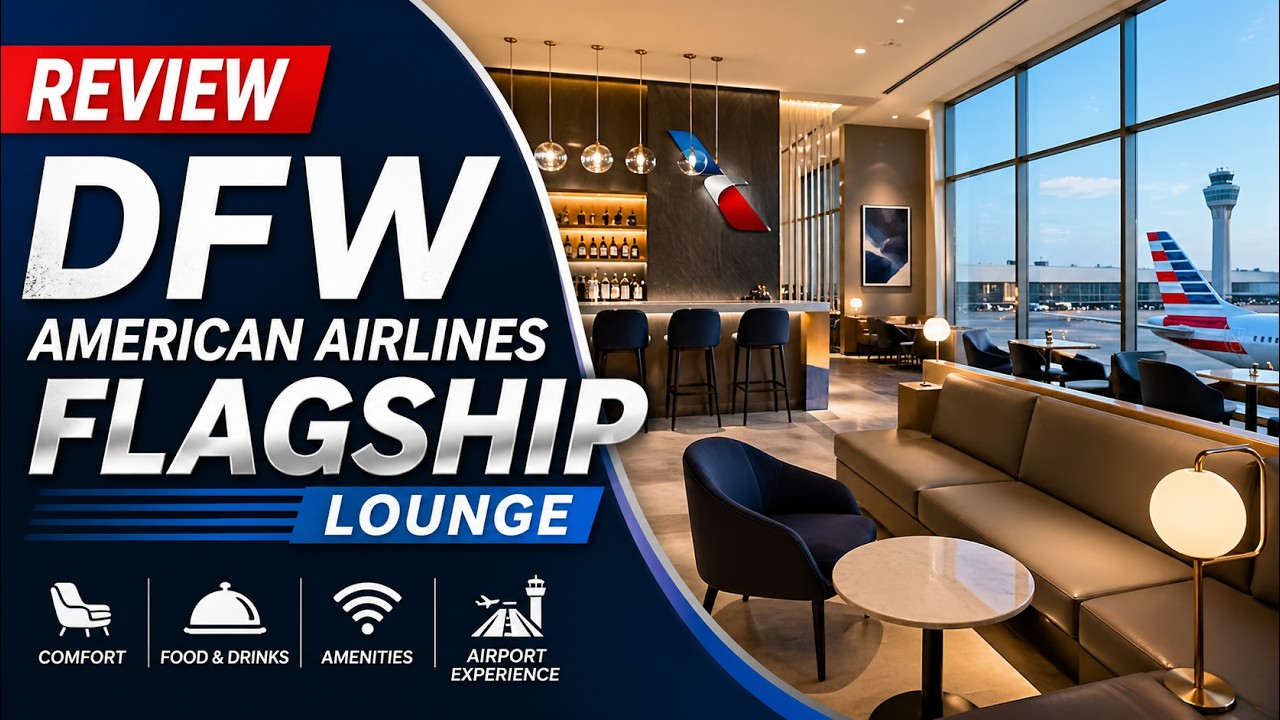
Philadelphia does not offer an American Airlines Flagship Lounge or Flagship First Dining. That matters because premium cabin or Flagship Business on an eligible international or transcontinental flight will not gain you access to a non‑existent facility. Your choices remain the Admirals Clubs, and if you are flying British Airways in the evening out of A‑West, the British Airways Galleries Lounge is a separate option within that pier. Oneworld Emerald and oneworld Sapphire members on eligible international itineraries can often choose between the Admirals Club and the BA lounge in that wing, each with its own crowd profile.
Seating that works, and where it falls short
Philadelphia’s Admirals Clubs have been refreshed in stages. You get the current American Airlines Lounge design language: low club chairs with drink tables tucked between them, banquette runs along some walls, high‑top communal work tables, and a few semi‑enclosed nooks. The concept tries to balance two conflicting needs: give people a place to decompress, and give others a place to work. The reality depends on where you sit and when.
At the B/C club, the main room fills first with travelers who want quick coffee and proximity to the buffet. Those armchairs are acceptable for a half‑hour email sweep, less so for a two‑hour spreadsheet marathon. The lumbar support is fine, but the seat height can leave a laptop at a neck‑cranking angle on your legs. If you must work, skip the central cluster and aim for perimeter seating, where side tables are larger and you can stage a mouse, notebook, and phone without a precarious stack.
Work tables are the sleeper hit. The B/C club sets a long counter with task lighting and integrated outlets, and these seats usually turn over less often. They invite laptops, not plates, and people tend to keep voices down. If you see a row of stools with a person at every other chair, that is your zone. Just know that during peak hours, people will hover for the next opening.
In the A‑West club, daytime crowds give you more options to spread out. It is easier to find a two‑seat bay by a window where light is better and foot traffic lighter. These are the spots where a quiet forty‑five minutes can happen. As the evening bank builds, families and groups migrate toward these windows, and the club starts to feel like a pre‑departure living room. If you are prepping for a video call between 5 and 7 p.m., arrive early to claim a corner away from the bar and buffet.
A few practical observations from repeat visits:
- Oversized lounge chairs with rounded arms look inviting, but their tiny built‑in tables are good only for a phone and a paper cup. If you plan to open a 14‑inch laptop, take a work table or a banquette with a full‑size side table. Benches along the wall keep foot traffic behind you, which reduces interruptions on video calls. A simple thing, but it helps. Seats nearest the buffet see constant movement and the clatter of dish pickups. Walk past the first room if productivity matters. If you are traveling with a partner, the two‑top tables near windows make a solid compromise for light work and a snack. They are also easier to defend than four‑tops that attract squatters when crowded.
Power: where to find it, what plugs are available, and what to expect
American has improved outlet density in recent renovations, and Philadelphia benefits from that push. At the B/C club’s work counters, every seat generally has a grounded 110‑volt outlet and at least one USB port. Older chairs may have power modules between them with dual AC and USB‑A. In refresh zones, you start to see USB‑C alongside USB‑A, but do not count on C ports everywhere. Bring your brick.

Reliability is decent. I keep a mental map of a few dead outlets, mostly on well‑worn end tables near the main corridor, but I have plugged into dozens of modules without issue. The more common failure point is a loose USB‑A port that will not hold a cable snugly. If you see a wobbly fit, switch to AC power. Surge protection appears built into many units. I have never tripped a breaker with a 65‑watt laptop charger and a phone topping up simultaneously.

If you must juice up quickly, the best spots are:
- The long work counters at the B/C club, especially the middle third, which seem to have the newest hardware. Perimeter banquettes at A‑West with integrated power underneath the cushion line, usually every other seat. The bar rail seating, where staff tends to notice and report broken outlets sooner than in quiet corners.
During evening rushes, expect to see cables everywhere. I travel with a compact extension cord and a multi‑port USB‑C charger that can split 100 watts across devices. In Philadelphia, that setup has saved me more than once when all that was left was a single AC outlet shared with a neighbor who needed to top up a tablet. If you forget a cable, the front desk sometimes keeps a small loaner basket, but it is hit or miss.
Wi‑Fi performance and how it holds under stress
Complimentary Wi‑Fi is table stakes now, and American delivers a captive portal network that remembers your device after the first login. In Philadelphia’s clubs, I have consistently seen real‑world speeds capable of 1080p streaming and stable video calls, even when the room fills. Bandwidth waxes and wanes with crowd size, so think ranges, not absolutes. Early mornings often yield faster performance, mid‑afternoons are steady, and the evening international bank at A‑West puts the most strain on the network.
A few practical notes:
- The SSID usually differs from the terminal’s public network. Use the lounge network; it is not just faster, it is less congested and tends to keep a consistent IP, which helps with VPN stability. Video calls work fine if you avoid the buffet room and bar, where background noise rather than bandwidth is the limiting factor. The work counters and window alcoves are better spots. Large cloud sync jobs, like pushing a 2‑gig video file, can stall during peak hours. Queue it, but consider letting it finish in the gate area if you are leaving the club during a lull. Philadelphia’s terminal Wi‑Fi is serviceable, but the Admirals Club network is more predictable once you are past the portal. If your employer’s VPN gets stubborn, forget the network and rejoin. The captive portal can cache an old token that causes handshakes to fail after sleep.
When the club is at capacity, I have measured dips into the low double‑digits in megabits per second. That is still fine for a single HD call, but it can hiccup if your counterpart insists on screensharing at maximum resolution. If the call is mission‑critical, set your app to standard definition and lock your camera frame to reduce upstream demands. You will sound better than you look, and that is the right trade‑off in a shared network.
Showers, snacks, and what you will not find at PHL
Shower suites are not a sure thing in Philadelphia. The B/C club is primarily domestic, and showers are not its focus. If you need a rinse before an overnight flight, check the A‑West club, which has historically been the better bet for showers at PHL. Whether they are available when you arrive depends on staffing and maintenance. Ask at the desk as soon as you enter, and expect a queue in the evening bank if they are open.
Food follows the standard Admirals Club template: complimentary snacks and beverages, with premium bar service and upgraded bites for purchase. Think fresh veggies and hummus, a couple of soups, simple salads, and a rotation of hot items like pasta or sliders during peak periods. Coffee stations do the job, and the espresso machine at A‑West tends to attract a line late afternoon. If you want a quieter drink, the bar rail at the far end of the room is usually calmer than the counter closest to the buffet.
What you will not find at PHL are Flagship Lounge amenities. There is no expanded buffet with full hot entrees, no Flagship First Dining, and no table service. If you are holding a premium cabin boarding pass on an eligible international or transcontinental itinerary that would grant Flagship access at JFK, LAX, DFW, or MIA, understand that your best food and beverage at Philadelphia remains the Admirals Club standard, or, for BA premium passengers, whatever the British Airways Galleries Lounge is offering that evening.
Crowd patterns: when to find a seat and when to bail out early
Timing changes everything at PHL.
Early morning, the B/C club gets packed with business travelers on short hops to CLT, DFW, ORD, and MIA. Turnover is brisk. If you arrive by 6, you will find a work counter easily. Show up at 7:30, and you may be circling for ten minutes. By 10, the rush eases and the room exhales. That window from about 10 to 1 is when I get the most writing done.
Mid‑afternoon, both clubs are steady. The energy is calmer, and the seating options improve. If you are connecting from Phoenix or Los Angeles and waiting on an evening Europe flight, this is your best work block.
Evenings in A‑West, the transatlantic push tightens space. Families gather near windows, elites trickle in from the security checkpoint, and the bar becomes social. If your goal is quiet focus, choose a bench along the wall, angle your chair away from the room, and set expectations. This is pre‑departure living, not a co‑working lab.
There is a final kind of crowding you cannot plan for: irregular operations. A weather delay from Chicago or Dallas can double dwell times. The room hums, the Wi‑Fi load rises, and every outlet gains a tail of charging cables. When that happens, I sometimes skip the club and walk to a quiet gate at the end of C or A‑East. PHL has pockets of empty seating in late afternoons, and the public network is good enough for a call if you stick to audio and headphones.
Access rules in plain language
Lounge access is a maze of exceptions, but you can reduce it to a few common cases for Philadelphia. Always bring a same‑day boarding pass; most categories require it on American or a partner.
- Admirals Club membership grants entry regardless of cabin on a same‑day American or partner flight, subject to guest access policy rules. If you hold the Citi AAdvantage Executive World Elite Mastercard, you receive a membership as a core benefit. Same‑day international itinerary on American or a oneworld Alliance partner often unlocks Admirals Club access, even in economy, when tied to elite status. Oneworld Sapphire and oneworld Emerald members can generally access the club with one guest on eligible international flights. First Class or Business Class on qualifying long‑haul international flights may provide access the day you fly. Domestic First within the United States alone usually does not, unless tied to an international segment. Day pass options appear at times, sold by American within its app or at the desk, with capacity controls. If the club is full, sales pause. Priority Pass does not get you into Admirals Clubs. Do not count on it at PHL.
Guesting is where travelers get tripped up. A standard Admirals Club membership, including one obtained through the Citi AAdvantage Executive card, usually allows either immediate family or up to two guests. Oneworld Sapphire and Emerald entry typically permits one guest on the same flight. Policies can shift, and some staff will enforce “same‑day same‑flight” for guests, so it pays to pull up your itinerary and ask politely.
AAdvantage Executive Platinum and ConciergeKey, by themselves, do not guarantee Admirals Club entry on purely domestic itineraries. Status helps with priority boarding privileges and upgrades, but it is not a lounge key unless the itinerary qualifies.
How Philadelphia stacks up against other American hubs
If you are used to the newest lounges at Dallas/Fort Worth International Airport or the size and spread at Charlotte Douglas International Airport, Philadelphia feels more compact. It lacks the breadth of spaces that let you be loud, quiet, or heads‑down all at once. Compared with Chicago O’Hare International Airport’s broader Admirals Club footprint, PHL is simpler, which can be a virtue when you only have a 45‑minute connection and want to grab a coffee and a seat without a hike.
Against Miami International Airport or Los Angeles International Airport, Philadelphia loses on premium variety. Without a Flagship Lounge, the food plateau is lower. On the other hand, the core amenities that matter to productivity, namely seating with smart power and reliable Wi‑Fi, are present and consistent. That is not nothing. If your main question is whether you can hold a 30‑minute Teams call and update a deck before boarding to Phoenix Sky Harbor International Airport, the answer in Philadelphia is yes, with a little seat selection effort.
It is also worth noting how alternatives compare. A United Club, as a competitor entity, often draws a different crowd and has its own rhythm. If you hold a United membership and happen to be on an American itinerary, that is not going to help you at PHL. Stick with Admirals or, for oneworld premium flyers out of A‑West, consider the British Airways Galleries Lounge as a change of scenery.
A five‑minute playbook for a productive stop
- If your gate is in B/C and you have less than an hour, head to the B/C club, walk past the first large seating area, and take a seat at the work counter with your back to the room. For a longer layover with deep work, detour to A‑West if your itinerary or time permits. Choose a window alcove before 4 p.m., or a wall bench after 5 p.m. When crowds rise. Use AC power first. USB‑A ports can be loose and slow. Pack a 2‑meter USB‑C cable to reach floor or wall outlets without contortions. Log into the Admirals Club Wi‑Fi, not the terminal network. For critical calls, set video to standard definition and keep a wired headset handy to cut ambient noise. Check for showers at A‑West if you are flying overnight. Ask at the desk as you enter, then time your visit around the queue.
Costs and whether a membership makes sense for PHL flyers
The lounge membership cost has climbed over the past few years, and for many travelers the calculus now runs through travel credit card perks. The Citi AAdvantage Executive World Elite Mastercard remains the straightforward path to Admirals Club membership for frequent American flyers. If you originate or connect through PHL several times a month, and you value a predictable workspace with power and coffee, the card’s fee often pencils out, especially if you bring guests regularly.
If you fly only a few times a year, a day pass can make sense, provided capacity allows. The trick is timing. Day passes are least useful during the 7 to 9 a.m. Morning wave, when the club is most crowded and the odds of finding your ideal seat go down. They are best during mid‑day connections when you can stretch out, download what you need over Wi‑Fi, and recharge before a longer segment.
Frequent flyer status tiers are a separate axis. AAdvantage status improves the airport day across check‑in, security, and priority boarding, and might open Admirals Club doors on eligible international flights. It will not, on its own, transform a domestic layover into a lounge day at PHL. Think of status as your queue‑cutter, and membership as your seat and power insurance.
Small details that make a big difference
Philadelphia’s clubs are built for movement, not loitering. Staff keep the spaces tidy, and dishes disappear quickly during peak hours. That is a plus for cleanliness, but if you step away from a table for more than a few minutes, expect your half‑finished drink to be cleared. If you are mid‑work and must step out to take a call, leave a visible marker like a jacket sleeve on the chair and a business card on the table. It signals you are coming back in two minutes, not abandoned the spot for an hour.
Noise leaks through doors near the host stand. If you are sensitive, pick a seat deeper in the room. If you prefer white noise to silence, sit near an air handler or coffee machine hum, which smooths the spikes from neighboring conversations.
For families, the front half of the B/C club near the buffet lets you manage snacks without a long walk. If you want a calmer corner with a stroller, aim for the back wall where foot traffic thins and you can park without turning the aisle into an obstacle course.
Finally, if you are connecting to or from London Heathrow Airport and flying British Airways from A‑West, weigh the British Airways Galleries Lounge against the Admirals Club if you are prioritizing seating and connectivity. The BA lounge sometimes runs tighter on work counters during the evening push, while the Admirals Club may offer a longer work bench and more predictable Wi‑Fi behavior. Choose based on your task, not on logo.
Bottom line for seating, power, and Wi‑Fi at PHL
Philadelphia’s Admirals Clubs do the work of a hub lounge: they give you a seat that, with some scouting, can double as a desk; they provide enough outlets if you plan ahead and carry the right cables; and they deliver Wi‑Fi that sustains real work, even when the room is full. You will not find a Flagship Lounge or Flagship First Dining here, and the food is modest. But if your goal is to get through a layover with a finished deck, a sent proposal, and a topped‑off battery before boarding to Charlotte or Phoenix, you can reliably pull it off.
The clubs reward a few deliberate choices. Pick the right room for your gate and time of day. Walk past the first empty chair until you reach seating built for laptops. Use AC power, not tired USB ports. Log onto the lounge network, keep your video bandwidth reasonable, and bring headphones. With that approach, PHL becomes a predictable stop, not a productivity gamble, and you arrive at your flight ready rather than frazzled.